What I Built for My Own BrokerageThe demonstration
A one-principal firm has to do its own research, marketing and paperwork. Everything here was built in-house with AI tooling and no developer, and all of it is in use today.
Replace what a franchise supplies. Build it instead of buying it.
In July 2026 I left a national brokerage affiliation and went back to practicing under my own name. What a franchise supplies — a website, marketing production, listing collateral, a CRM, templates for every agreement — had to be replaced in weeks. I built it.
The point is not that a broker can build a website. It is that the research, the aerials, the underwriting models, the contact database and the deal tracker that run this practice were produced by the same person who runs the practice, in the time a franchise onboarding would have taken, and that the setup I install for clients is the one running here.
no CMS, no developer
a 2014 archive
an annotated aerial
into one database
This website
Ten pages of plain HTML. No platform, no plugins, no monthly bill to a site builder. Deployed from the command line in under a minute, which is why a correction you ask for at lunch is live by the time you finish it.
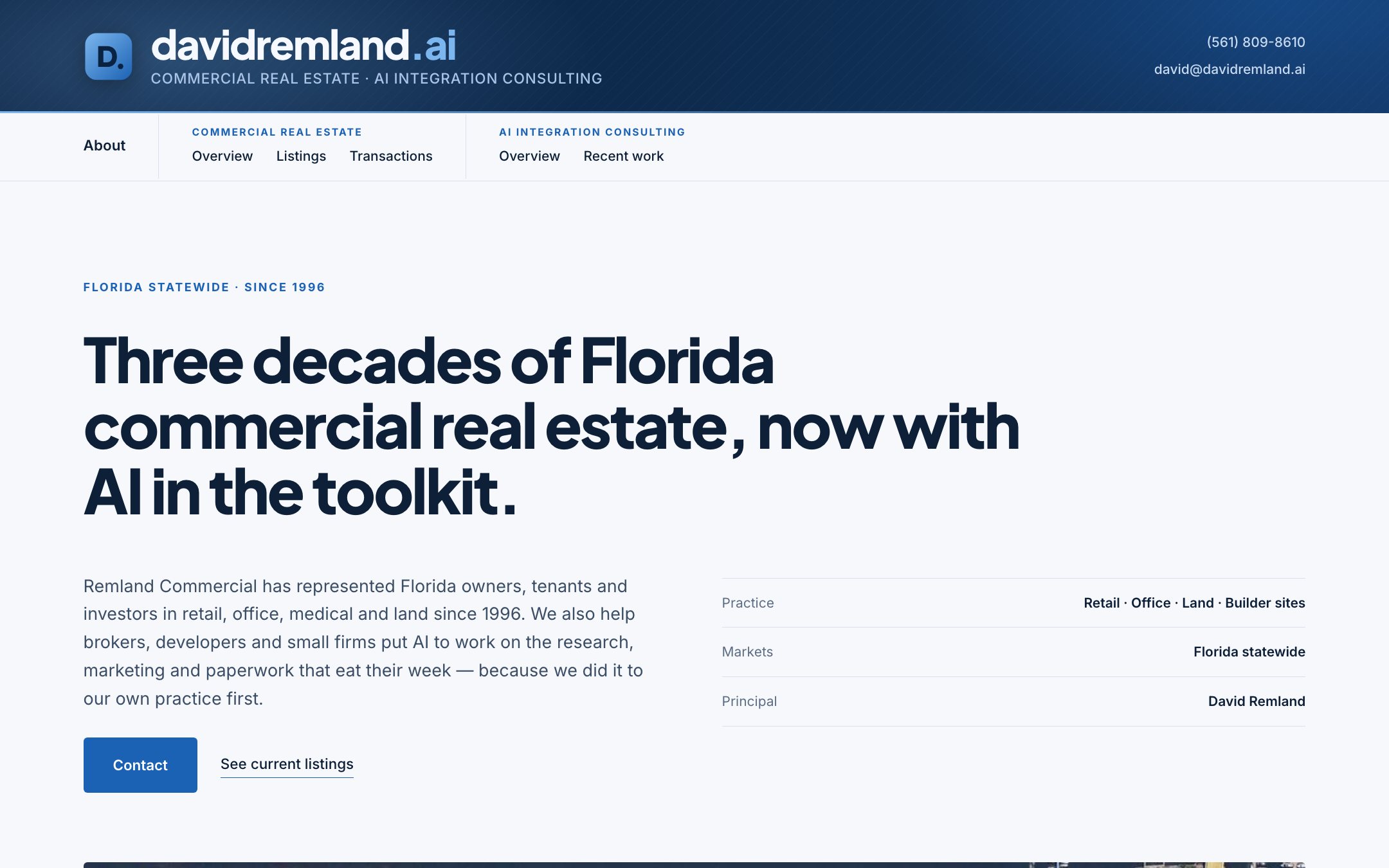
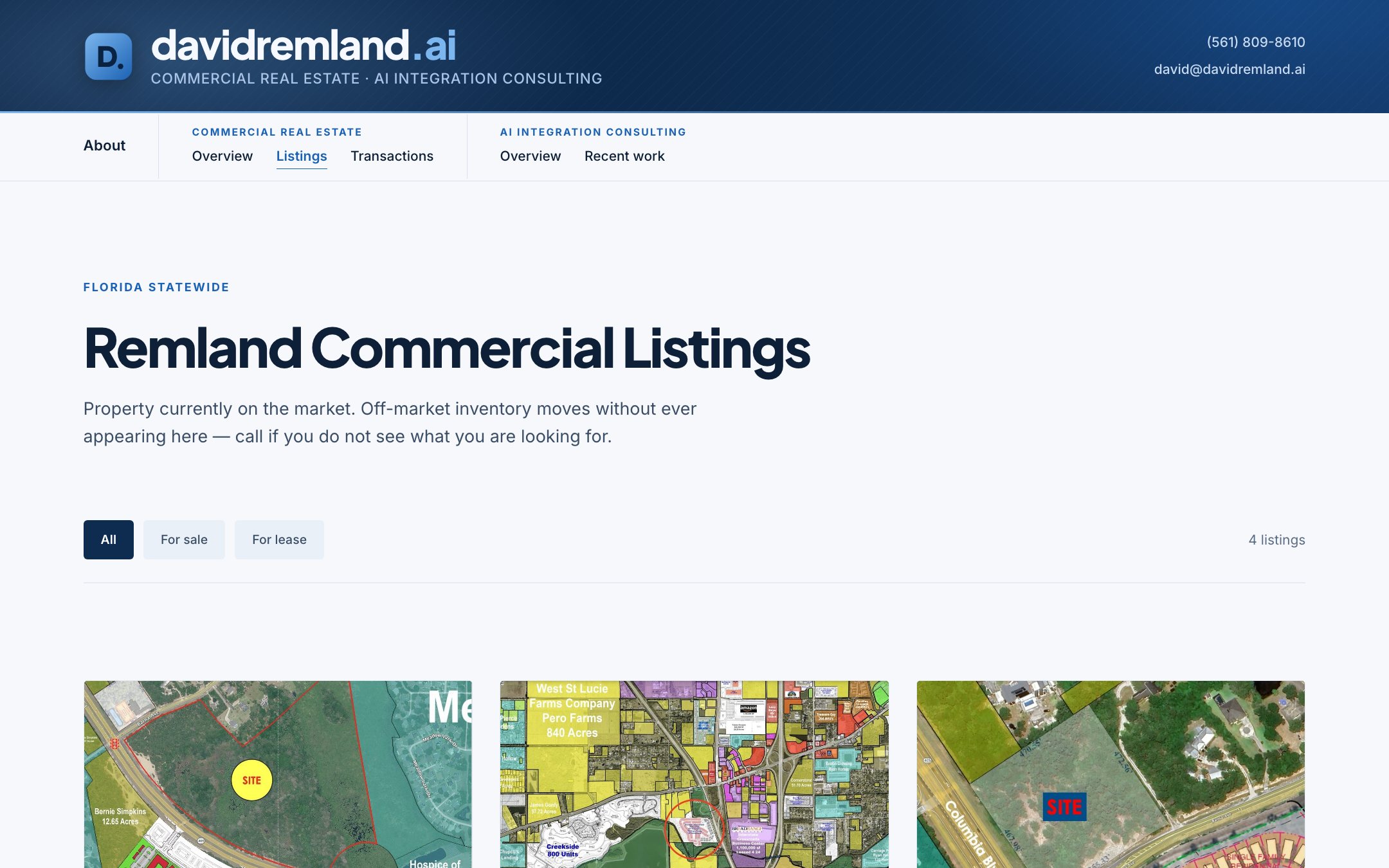
- A 36-deal transaction history reconstructed from a 2014 archive — every price as published at closing, the role on each deal stated, the photographs recovered from the old files.
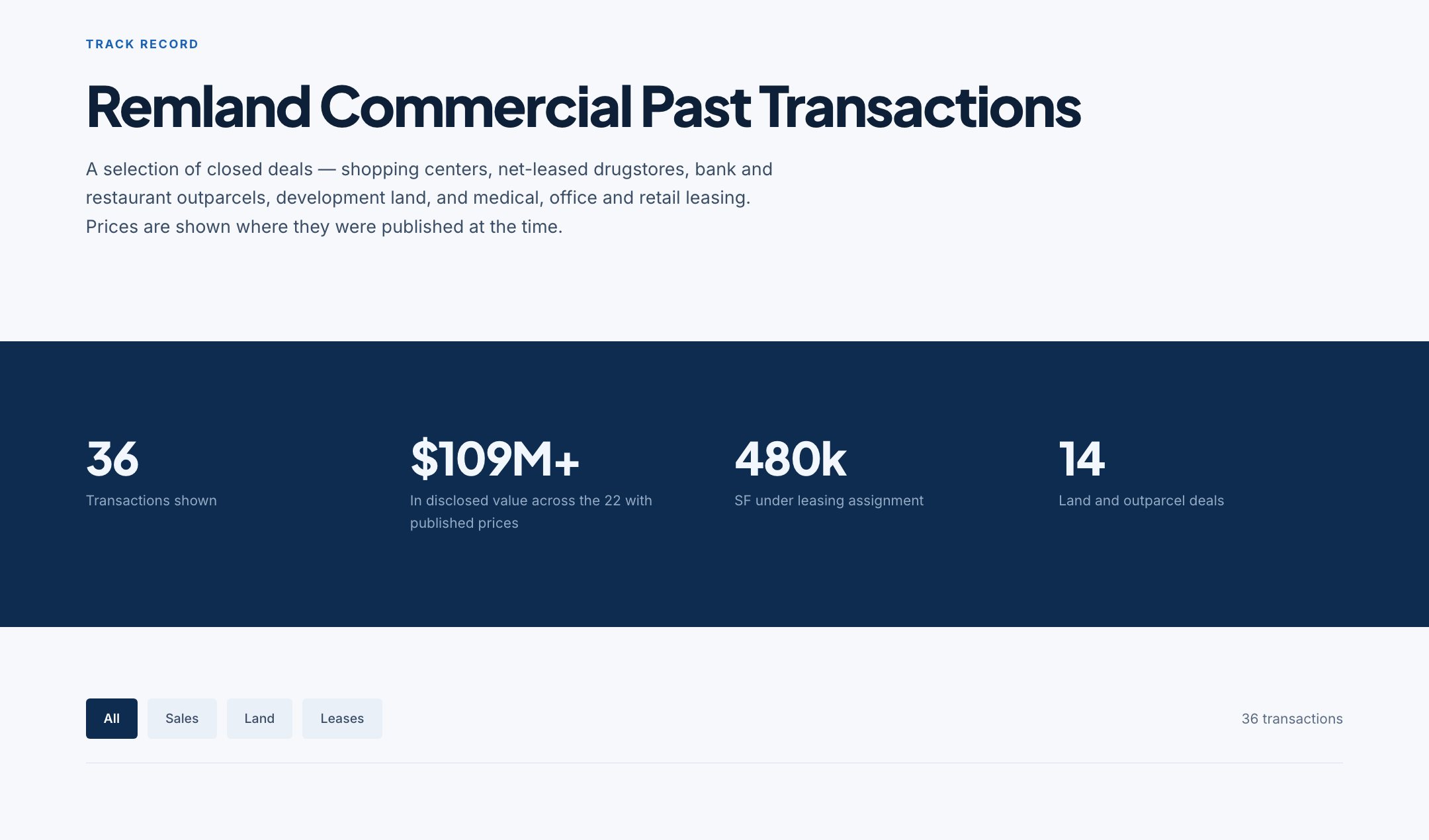
- Listing pages built from the data, with the Crexi record linked under each, and structured data so search engines read the practice, the services and the listings correctly.
- Every number on the site counted from a source — the resume, the archive, the live VMAP data file — and rechecked when the source changes.
Listing marketing and maps
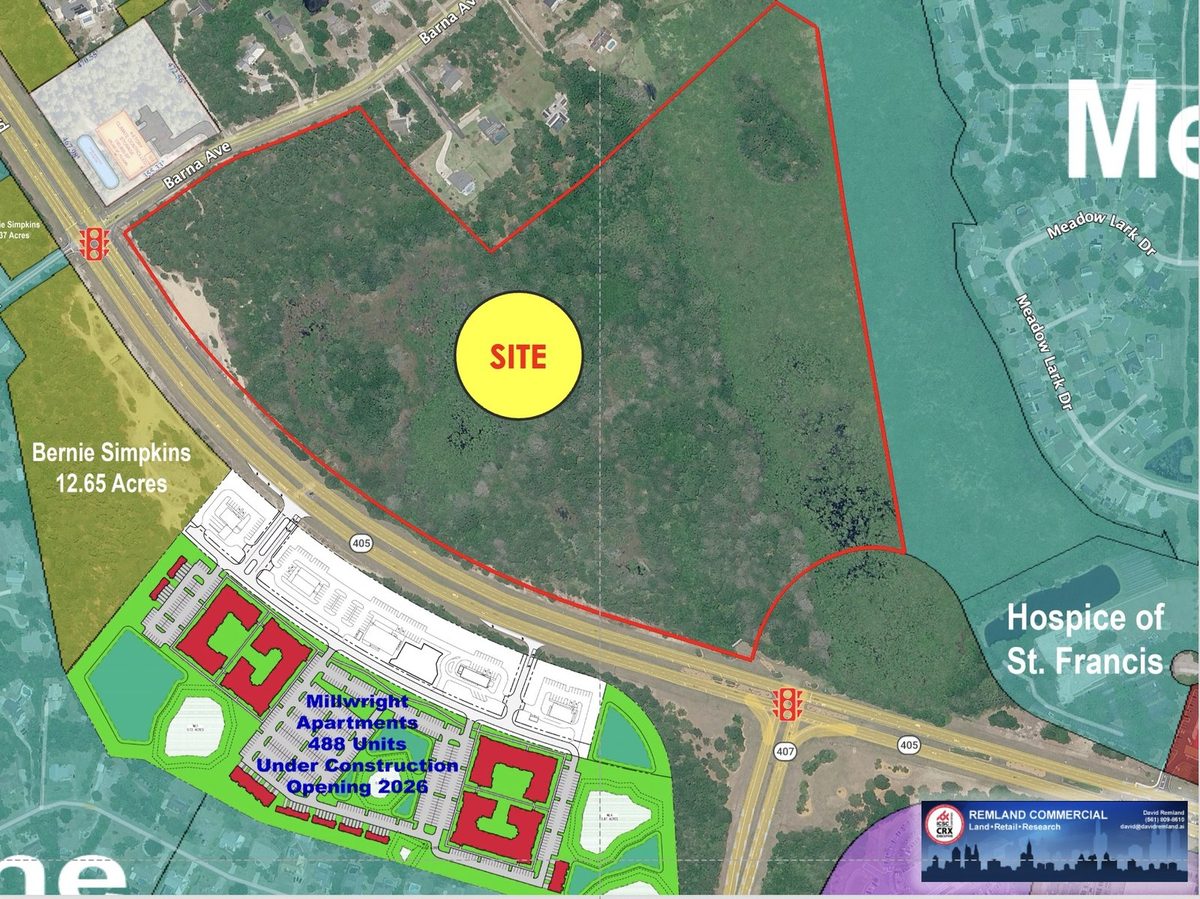
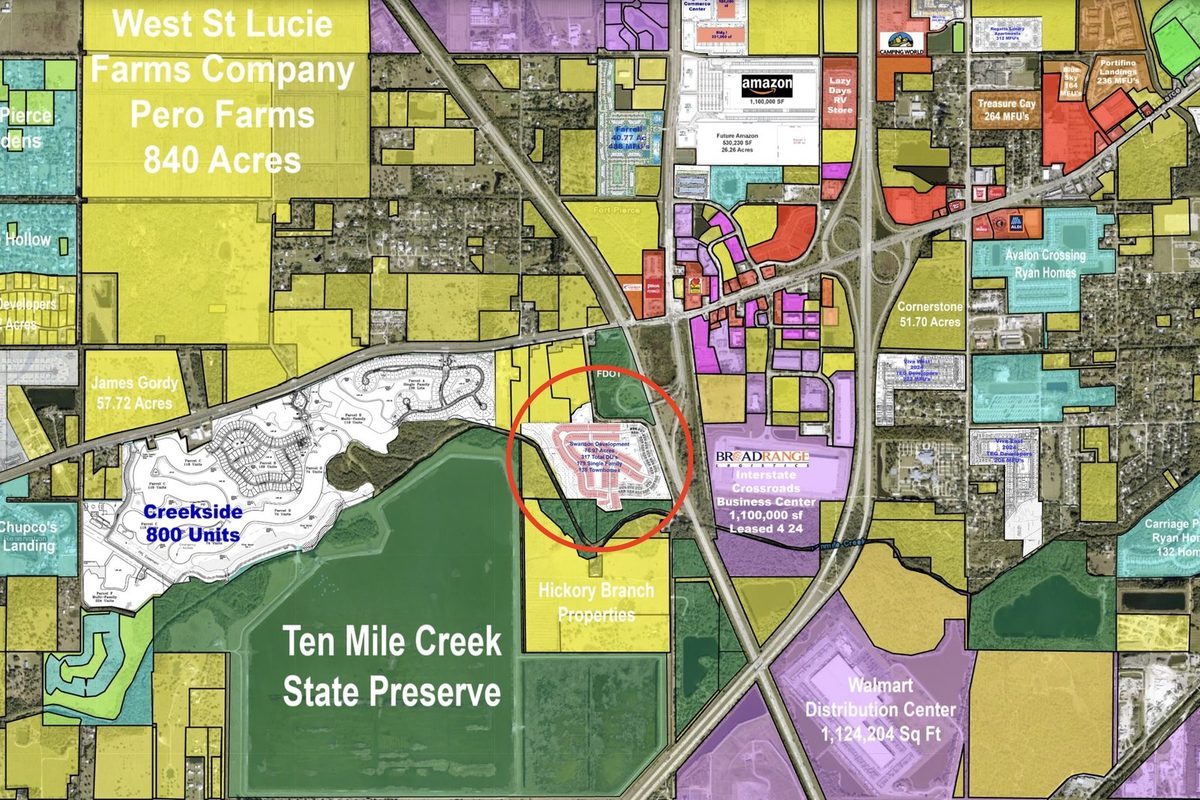
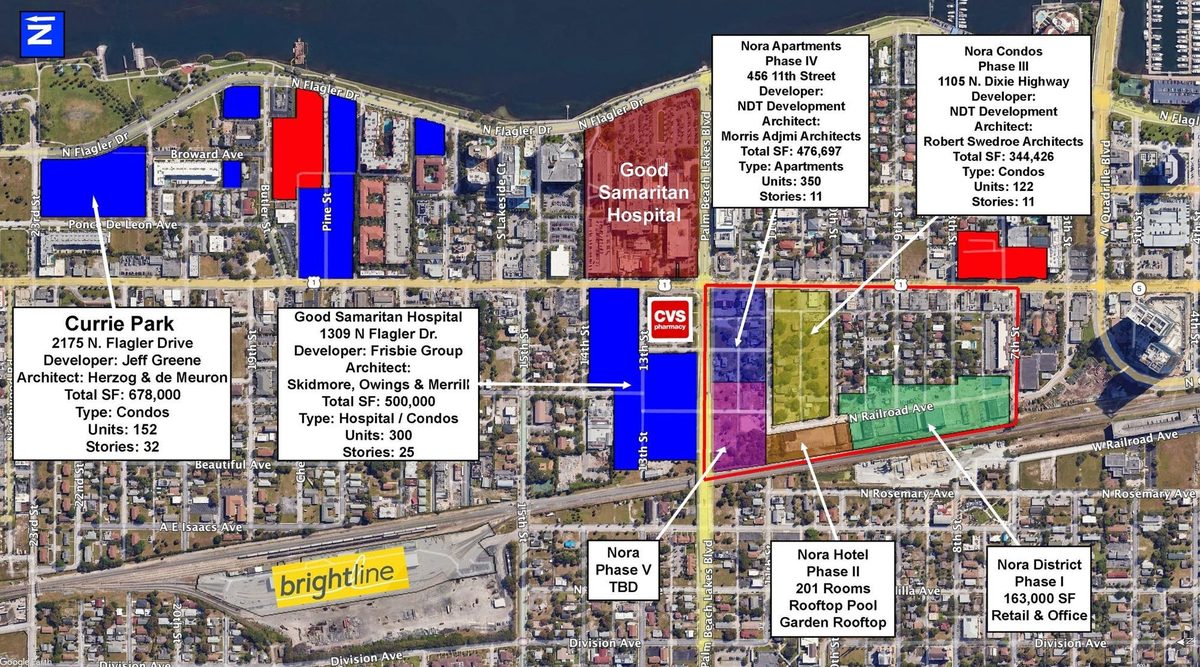
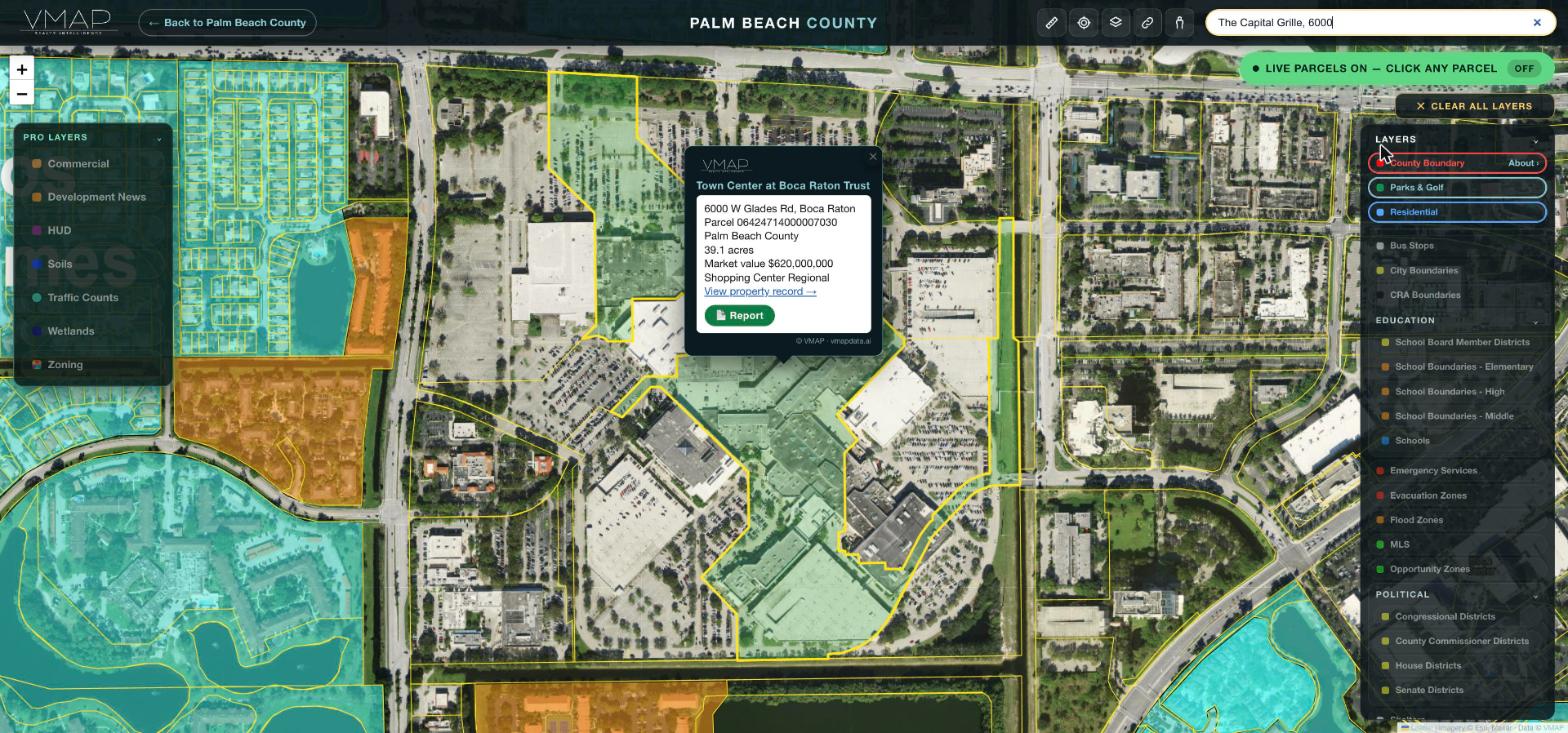
- Annotated aerials for every active property — boundaries, acreage, frontage and the neighbors that matter, drawn in-house instead of sent to a designer and waited for.
- The North End of West Palm Beach map that ran with Brad Hunter's Forbes coverage of the development boom in April 2026, credited to me. The same work became the hook for roughly fifteen first-contact emails for a client that spring.
Underwriting models
Models that fill themselves from the documents a broker actually receives, so the first look at a deal takes an hour instead of a weekend.
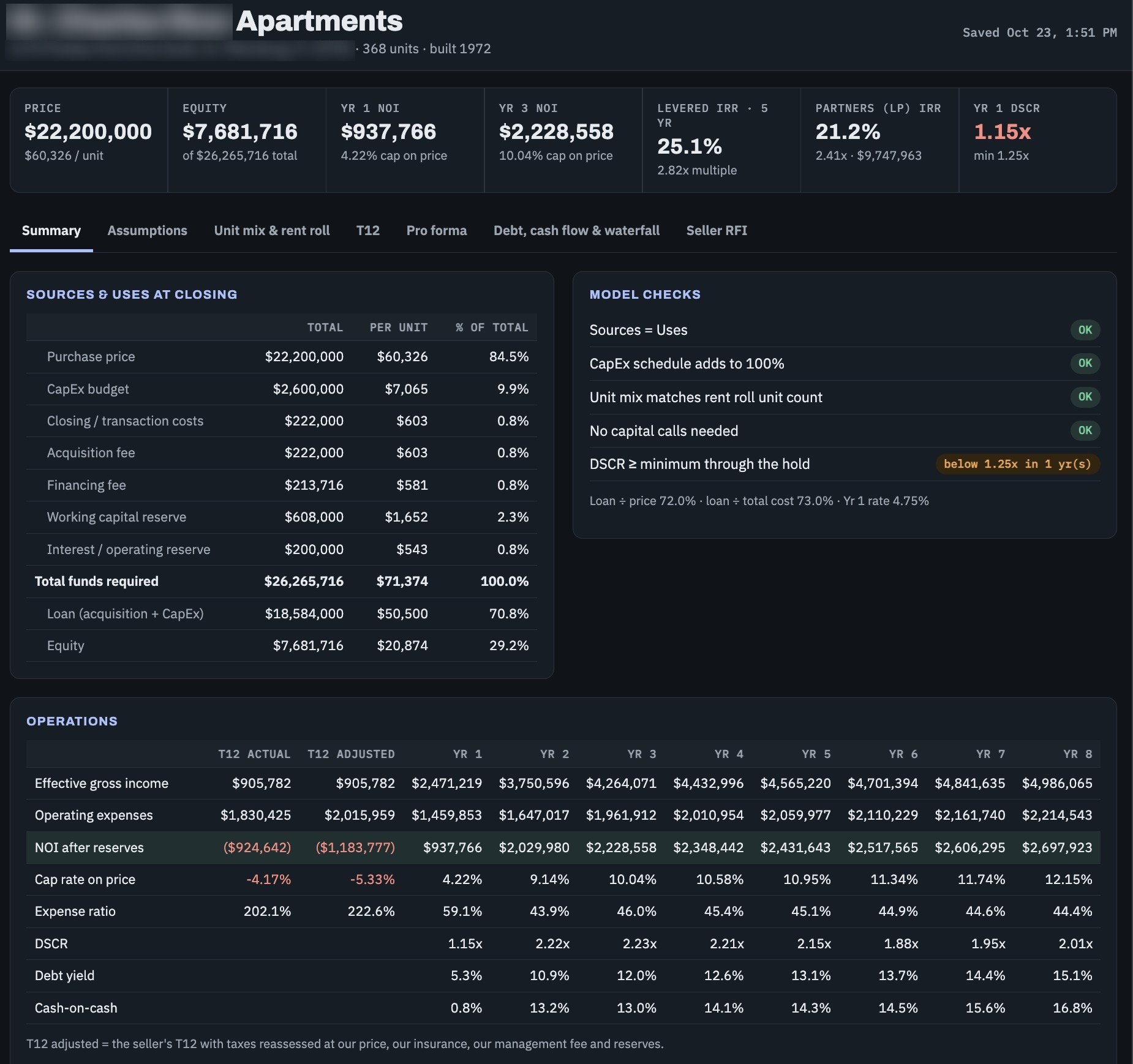
- Apartment deal analyzer. Hand it the seller's rent roll, T12 and offering memorandum; it fills the underwriting template, reports the results, and drafts the one-page Request for Information back to the listing broker.
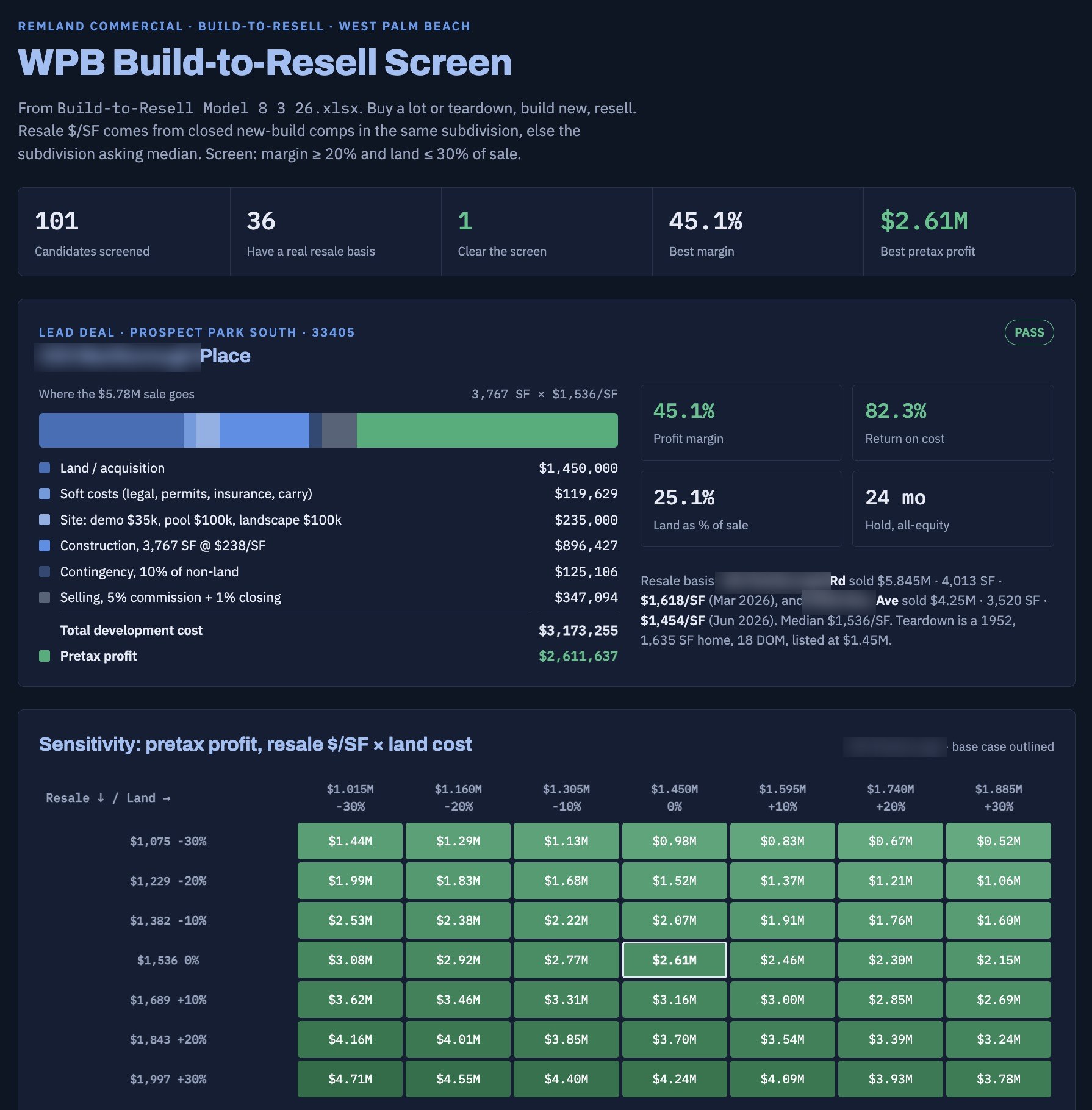
- Build-to-resell pro forma. Lot or teardown, new home, resale: cost budget, construction loan and equity split, profit and margin, live two-way sensitivity grids, and a side-by-side comparison of candidate lots. Palm Beach County is home turf; it works anywhere once resale dollars per foot are set from local comps.
- Site screening on the live map. Any parcel in Florida pulled up during the first conversation — owner, zoning, flood, value — on the same VMAP the clients see.
Contacts, tracking and paperwork
- One contact database consolidated from 1,800-plus records across two systems and a vCard export, with a prospects sheet maintained alongside it.
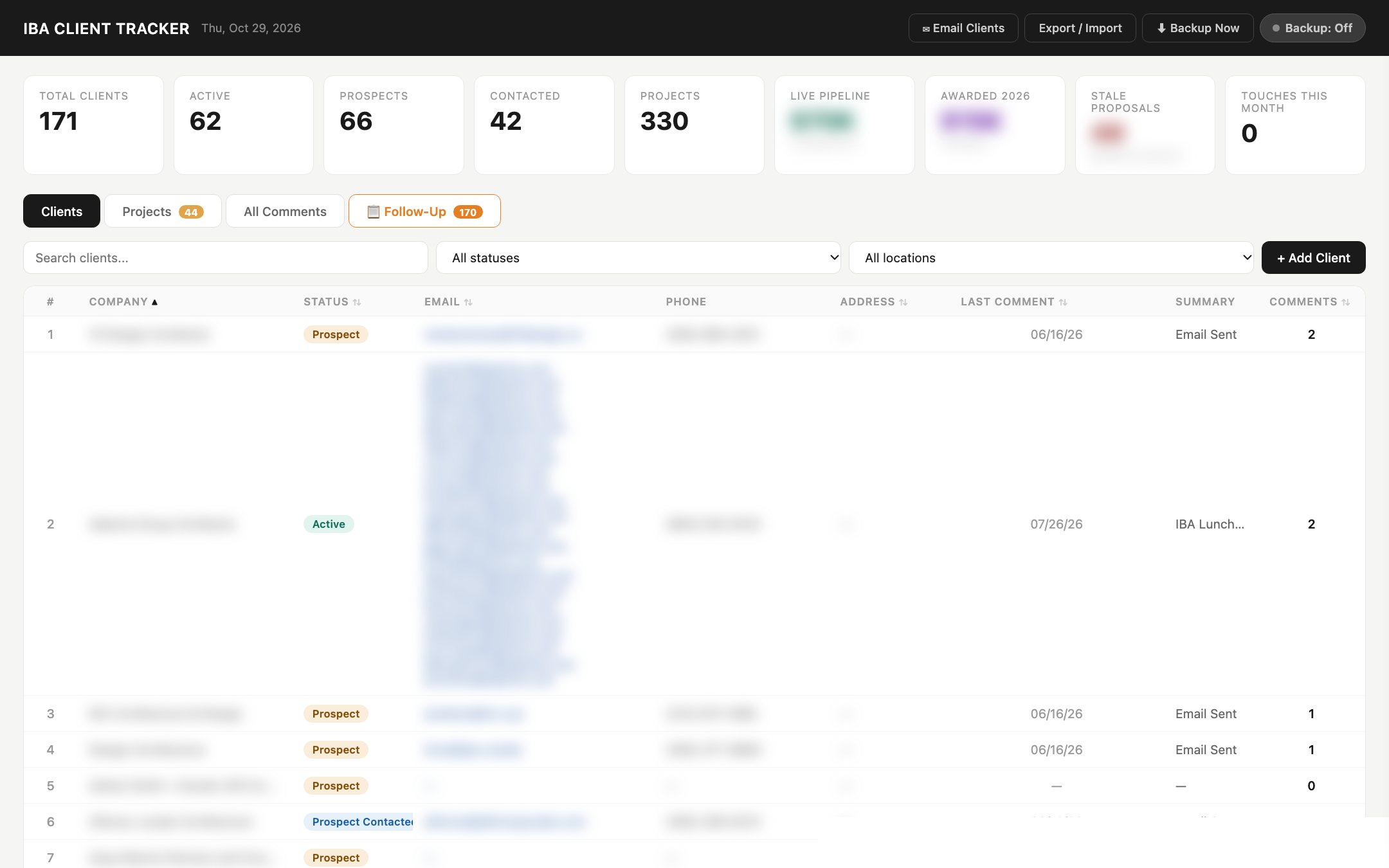
- A client and deal tracker built as a single-file application that runs locally and writes its own data back to disk — the same pattern that became IBA's system of record.
- Agreement templates as the source of truth — listing, co-broker commission, fee agreements, addendums, email templates — so every draft starts from the right document in the right voice.
- Fixed-scope proposal templates for the AI practice, each with its exclusions written in, and narrated proposal videos rendered from an HTML storyboard so a prospect watches the pitch instead of reading it.
Keeping a thing you built honest.
Nothing here is difficult to build once. What is difficult is that every one of these tools has a number in it that will quietly go stale.
- The layer count. This site quoted a VMAP figure from a document for weeks after the live site had passed it. No error, no complaint — just a wrong number in public. The fix was to count from the live data file every time, and to say on the page where the number came from.
- The cached stylesheet. A change that is live on the server and invisible to the person who asked for it, because their browser kept the old copy. Every change now carries a stamp that forces the fresh file.
- The transaction with no price. Twenty-two of the thirty-six deals have a published price; the rest are shown without one rather than with an estimate. The total on the Transactions page says exactly which deals it counts.